
Ask divers about the best scuba diving in the world and you will hear very different answers: Egypt, Thailand, Baja California, Cozumel, the Maldives, South Africa, Indonesia, the Galapagos, and many more. The honest answer is that the best places to scuba dive depend on what kind of underwater experience you want.
Tulum belongs on that list for a specific reason: cenotes. It is not trying to be Egypt, Cozumel, or the Maldives. Tulum is one of the world’s most distinctive places for cenote and cavern diving, with crystal-clear water, dramatic light beams, and ancient geological formations that ocean reef diving cannot offer.
Quick answer: If you want reefs, big marine life, or drift diving, other destinations may be the better fit. If you want cenotes, cavern environments, clear visibility, and a dive experience that feels completely different from the ocean, Tulum deserves a place among the best places for scuba diving.
What Places Belong on a Best Scuba Diving in the World List?
For our team, a realistic list of the best places to scuba dive in the world would include Tulum, Mexico for cenotes; Egypt for Red Sea reefs; Thailand for warm-water variety; Baja California for marine life; Cozumel for drift diving; the Maldives for clear tropical diving and big-animal potential; and South Africa for more adventurous ocean encounters.
The point is not that one destination wins every category. No single place is the best at everything. Great dive travel starts by matching the destination to the diver’s goals.
How Major Dive Destinations Compare
| Destination | Best known for | Best fit for |
|---|---|---|
| Tulum, Mexico | Cenotes, cavern diving, clear visibility, formations, light beams | Divers who want a unique freshwater cave-system experience. |
| Cozumel, Mexico | Drift diving, reefs, walls, Caribbean visibility | Divers who want relaxed ocean drift dives and reef scenery. |
| Baja California, Mexico | Marine life, seasonal encounters, bigger ocean conditions | Divers interested in wildlife and more adventurous ocean diving. |
| Egypt | Red Sea reefs, wrecks, visibility, biodiversity | Reef lovers, liveaboard divers, and photographers. |
| Thailand and Indonesia | Warm water, reefs, macro life, biodiversity | Divers who want colorful marine life and multiple site styles. |
| Maldives, Galapagos, South Africa | Big marine life, currents, seasonal encounters | More experienced divers who want wildlife-focused trips. |
Where Does Tulum Fit?
Tulum should be considered separately from traditional ocean diving because of its cenotes. Most of the region’s diveable caverns and cenotes are located near Tulum, which makes the area distinct even within Mexico.
If someone is building a global dive bucket list, Tulum earns its place because cenote diving is not just another reef dive. It is a different environment, a different feeling, and a different skill set.
Cenote Diving vs Ocean Reef Diving
Ocean reef diving is usually about coral, fish, turtles, current, waves, and changing marine conditions. Cenote diving takes place in flooded cave systems, where the experience is built around clear water, sunlight cutting through openings, rock formations, overhead environments, and calm control.
That difference is why comparing Tulum to Cozumel or the Maldives can be misleading. Cozumel is one of the best places to scuba dive for drift reefs. The Maldives is known for tropical water and large marine life. Tulum is famous for cenotes.
Best for cenotes
Tulum is one of the strongest choices in the world for guided cavern diving, light beams, freshwater visibility, and cave formations.
Best Mexico trip
For one dive trip to Mexico, the Riviera Maya offers rare variety: cenotes, reefs, turtles in Akumal, and access to Cozumel.
What Types of Divers Is Tulum Best For?
Tulum can work for many levels when the dive choice matches the diver. Beginners can enjoy reef dives in Tulum and Akumal, or a supervised first scuba experience. Photographers can explore reefs and cenotes with strong visibility. Advanced divers can choose deeper reef and cenote routes. Cave-trained divers can access some of the world’s most renowned underwater cave systems.
The important part is not pretending every cenote is right for every diver. A good dive operation should match the route to certification, recent experience, buoyancy, comfort, and conditions.
How to Choose the Right Dive Destination
When choosing between the best places for scuba diving, consider visibility, wildlife, difficulty, season, safety, cost, accessibility, and the type of experience you want. A diver looking for mantas or hammerheads should make a different choice than a diver looking for cavern light beams or calm reef dives.
No destination is truly overrated when it is matched to the right diver. Some are simply misunderstood. A place may be excellent for cave diving, wreck diving, big-animal encounters, coral reef exploration, or beginner-friendly conditions, but not ideal for every goal.
Favorite Tulum-Area Dive Experiences
In the Tulum area, our favorite dive experiences are the cenotes because of their crystal-clear visibility, light effects, and cave formations. Sites like Dos Ojos, The Pit, Dreamgate, Tak Be Ha, Tak Be Luum, and Angelita each offer a different expression of cenote diving.
We also enjoy the reefs of Tulum and Akumal. They offer healthy marine life, sea turtles, and relaxed conditions that can be a great fit for newer divers, photographers, and travelers who want a softer ocean day.
What Makes a Dive Destination Memorable?
A memorable dive destination is not only about being pretty. It is the overall experience: the underwater environment, the marine life, the quality of the dive, the people you meet, and the memories created around the dive.
One of our team’s most memorable moments happened in Akumal during a Basic Diver program. We encountered a pod of dolphins with calves and later saw a hammerhead shark at approximately 12 meters. That kind of moment stays with you because it combines surprise, place, people, and timing.
If You Only Have One Dive Trip to Mexico
If a diver only had one trip to Mexico, we would recommend the Riviera Maya. It gives you an exceptional variety of diving experiences: cenotes near Tulum, coral reefs, sea turtles in Akumal, ocean dives, and access to Cozumel.
That mix is hard to match. You can experience freshwater cenotes one day, reefs the next, and a completely different style of diving without needing to move across the country.
The Takeaway
The best scuba diving in the world depends on the diver. If your dream is big marine life, look at places like the Galapagos, Maldives, South Africa, or Baja California. If your dream is coral reef biodiversity, Egypt, Indonesia, Thailand, Cozumel, and Belize may belong high on your list.
If your dream is to dive in crystal-clear freshwater caverns beneath the jungle, Tulum is one of the best places to scuba dive in the world. It is not the same kind of diving as the ocean, and that is exactly why it matters.
Planning a Mexico dive trip? Explore our guided cenote diving routes, reef dives, or contact Scuba Tulum with your certification level, dates, and dive goals.
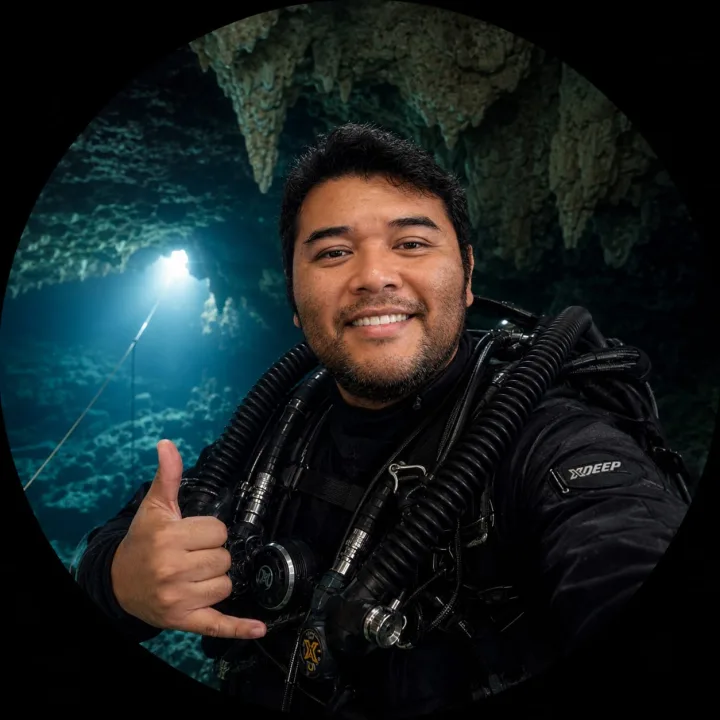
About Adiel Villanueva
Adiel is part of the Scuba Tulum dive team and writes practical course, cenote, and trip-planning guides for travelers visiting Tulum. His advice focuses on safe standards, responsible operators, and helping guests choose experiences that fit their comfort, goals, and conditions on the day.
View Adiel’s author page