
If you have only seen cenotes from the surface, it is easy to think of them as beautiful swimming holes in the jungle. Underwater, they become something quieter and more remarkable: flooded passages, clear freshwater, rock chambers, light beams, fossils, and a sense that you are moving through a hidden part of the Yucatan that most people never really see.
That is the magic of Tulum caves. They feel mysterious at first, but they start to make sense when you understand how cenotes, caverns, and true cave systems fit together. The Mexico underwater caves around Tulum are not just a diving attraction. They are part of a freshwater aquifer, a fragile ecosystem, a geological record, and a cultural landscape connected to Maya history. That is why access, safety, navigation, and conservation all matter.
Quick answer: Recreational divers can enjoy guided cavern dives in the daylight zone of cenotes. Cave diving beyond visible natural light requires technical cave training. Everyone visiting cenotes caves Mexico should treat them as fragile natural and cultural sites, not ordinary swimming pools.
What Makes Tulum’s Cave and Cenote Systems Special?
What makes these underwater caves in Mexico globally special is the combination of geology, archaeology, biodiversity, and culture. Cenotes were once sacred to the Maya, and many still connect to ancient stories, ceremonial use, and archaeological discoveries. At the same time, the cave systems support specialized life adapted to darkness, freshwater, and low-nutrient conditions, including cave ecosystems that USGS research in the Yucatan has described as surprisingly complex.
That combination makes Tulum’s cenotes more than a beautiful place to dive or snorkel. They are rare natural and cultural systems found in very few places on Earth.
Are Tulum’s Caves Actually Connected?
Yes, many of Tulum’s underwater caves are connected, but not as one single continuous cave that every cenote shares. A useful way to picture it is like Swiss cheese: the limestone is the cheese, and the cenotes and cave passages are the holes and tunnels inside it.
Some cenotes are directly connected through long underwater passages. Others are separate but still part of the same vast underground aquifer beneath the jungle. This system is also ultimately connected to the Caribbean Sea, where freshwater moves through the caves and meets saltwater near the coast. That meeting point helps create special conditions like haloclines and the clear visibility cenotes are known for.
What Are the Most Famous Cave Systems Near Tulum?
The most famous system people usually hear about is Sac Actun, one of the major underwater cave systems in the region and a globally recognized geoheritage site. Around Tulum, divers also talk about well-known cenotes and routes connected to cavern and cave diving culture, including Dos Ojos, The Pit, Dreamgate, Nohoch, Tak Be Ha, Tak Be Luum, Angelita, and others.
A visitor does not need to know every system name before arriving. What matters more is choosing the right cenote or route for your certification, comfort, recent dive experience, and conditions on the day.
Cenote, Cavern, and Cave: What Is the Difference?
| Term | Simple meaning | What it means for visitors |
|---|---|---|
| Cenote | A natural sinkhole filled with freshwater, often open to the surface. | Good for swimming, snorkeling, and diving depending on the site and rules. |
| Cavern | The part of an underwater cave system where natural light is still visible from the entrance. | Certified recreational divers can experience guided cavern dives within strict limits. |
| Cave | Fully enclosed passages beyond the daylight zone, with no direct vertical ascent to the surface. | Requires specialized cave training, redundant equipment, guideline use, and strict procedures. |
How Were Cenotes Formed?
In simple terms, cenotes formed when rainwater slowly dissolved limestone underground over thousands of years. This created empty spaces, tunnels, and caves. Eventually, parts of the ground above collapsed, exposing the water-filled cavities below.
Many of these cave passages were once dry during the Ice Age, when sea levels were lower. Later, as sea levels rose, the caves flooded. That is why divers today can see ancient cave formations underwater, including stalactites, stalagmites, and columns that originally formed in air. It is also why submerged sites like Hoyo Negro are so important for understanding the region’s ancient human and animal history.
Why Is Visibility So Good in Cenotes?
Visibility in cenotes is often extremely good because the water comes from underground freshwater systems that are naturally filtered through limestone. There is very little wave action, limited current compared with the ocean, and less organic matter in many areas.
In some places, freshwater and saltwater meet in layers. This creates a halocline, where the water can look slightly distorted or mirror-like as divers pass through it. For many guests, that crystal-clear water is one of the most memorable parts of diving in Tulum.
What Can Recreational Divers Safely Experience?
Recreational certified divers can safely enjoy guided cavern dives within the daylight zone of cenotes, where natural light and the exit remain visible. They can also enjoy reef diving, cenote snorkeling, and other water experiences within their certification level.
The important limits are simple: dive with certified guides, stay within your training, listen to the briefing, maintain buoyancy, follow the route, and never treat an overhead environment casually.
What Requires Technical Cave Training?
Technical cave training is required when a dive goes beyond the daylight zone in cenotes. Once visible natural light and direct access to the surface are gone, the dive is no longer a recreational cavern experience.
Cave diving depends on cave guidelines, specialized procedures, precise gas management, redundant equipment, advanced training, and disciplined decision-making. It is an overhead environment where you cannot simply ascend at any moment.
Curious but nervous?
That is completely normal. A good cavern experience is slow, carefully briefed, closely guided, and focused on comfort, breathing, and buoyancy.
Our strongest opinion
Diving in Tulum is unique, but the rules matter. The experience should feel calm, controlled, and respectful from start to finish.
Conservation Is Part of Safe Diving
Cenote and cave systems are extremely fragile. Formations like stalactites and stalagmites take centuries or thousands of years to grow. Touching, breaking, kicking, or stirring sediment can cause permanent damage and reduce visibility for everyone behind you.
Conservation is not optional in these environments. It is part of safe diving practice. That means maintaining excellent buoyancy, avoiding contact with walls and formations, following environmental guidelines, and listening carefully to the guide’s briefing.
Geology, History, and Maya Culture
One of the coolest facts about Tulum’s caves is that many were once dry land during the Ice Age. Because of that, the flooded passages can preserve ancient cave structures, geological formations, fossil evidence, and areas that were once accessible to people and animals.
Cenotes were also deeply significant to the Maya, who considered them sacred and connected them with the underworld, often described as Xibalba. This cultural layer matters. When we dive or snorkel in cenotes, we are entering places connected to both natural history and human belief.
What Might People Learn About Underwater?
Divers and visitors may learn about limestone formations, stalactites, stalagmites, columns, haloclines, fossilized remains in the rock, and the freshwater systems that support the Yucatan Peninsula. Wildlife is usually limited in the darker cave zones because the environment has low nutrients, but specialized small species can exist near openings and in certain cave environments.
The point is not only what you see. It is understanding that the entire place is part of a living water system and a long geological story.
What Should People Not Do in or Around Cenotes?
Do not touch or break formations. Do not stir up sediment. Do not ignore buoyancy control. Do not enter overhead areas without the right certification, guide, equipment, and plan. Do not treat a cenote like a pool where any behavior is fine.
Visitors should also avoid sunscreen before entering the water when possible, follow site rules, keep trash out of the environment, and respect restricted areas. Small choices matter because the ecosystem is slow to recover from damage.
Why These Systems Matter Beyond Tourism
These caves and cenotes are part of the region’s main freshwater aquifer, which is essential for drinking water and the broader ecosystem of the Yucatan Peninsula. They also preserve records of sea level changes, fossil history, and geological development.
Culturally, cenotes are sacred sites connected to Maya civilization. Environmentally, they are water systems. Geologically, they are records of Earth’s history. Tourism is only one layer of their importance.
What Many Blogs Get Wrong About Cenotes and Cave Diving
Many blogs make one of two mistakes. Some overdramatize cave diving as if it is only extreme danger. Others downplay the training and discipline required. Both create a distorted view.
The better message is this: cavern diving can be a safe, beautiful recreational experience when it stays within strict limits with qualified guides. Cave diving is a specialized activity that requires training, equipment, and procedures. They are connected environments, but they are not the same activity.
Who Is Scuba Tulum a Good Fit For?
Scuba Tulum is a good fit for guests who value safety, quality, small groups, and a personalized experience over mass tourism or rushed schedules. The goal is calm, professional, responsible diving with clear briefings, strong guiding, and respect for the cave environment.
Scuba Tulum is not the best fit for guests looking for a rushed, high-volume quick tour, or for people who prioritize the lowest price over safety and quality. It is also not a fit for anyone unwilling to follow instructions, respect briefing procedures, or stay within their training limits.
What Should You Do Next?
If you are curious about Tulum’s underwater caves but not sure where to start, ask questions before booking. A good dive team can recommend the right experience based on your certification, comfort, recent dives, and conditions.
For some guests, the right next step is a guided cenote cavern dive. For others, it is a reef dive, a cenote snorkeling day, or a Basic Diver style first scuba program. The best choice is the one that matches your level and lets you experience the environment safely.
Planning a cenote or cavern experience? Explore our guided cenote diving routes, compare cenote options, or contact Scuba Tulum with your questions before you choose a dive.
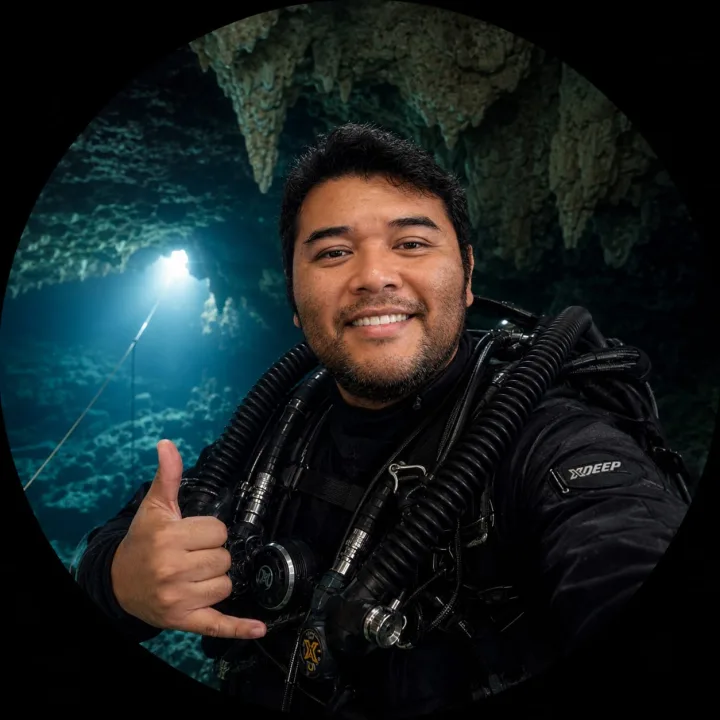
About Adiel Villanueva
Adiel is part of the Scuba Tulum dive team and writes practical course, cenote, and trip-planning guides for travelers visiting Tulum. His advice focuses on safe standards, responsible operators, and helping guests choose experiences that fit their comfort, goals, and conditions on the day.
View Adiel’s author page